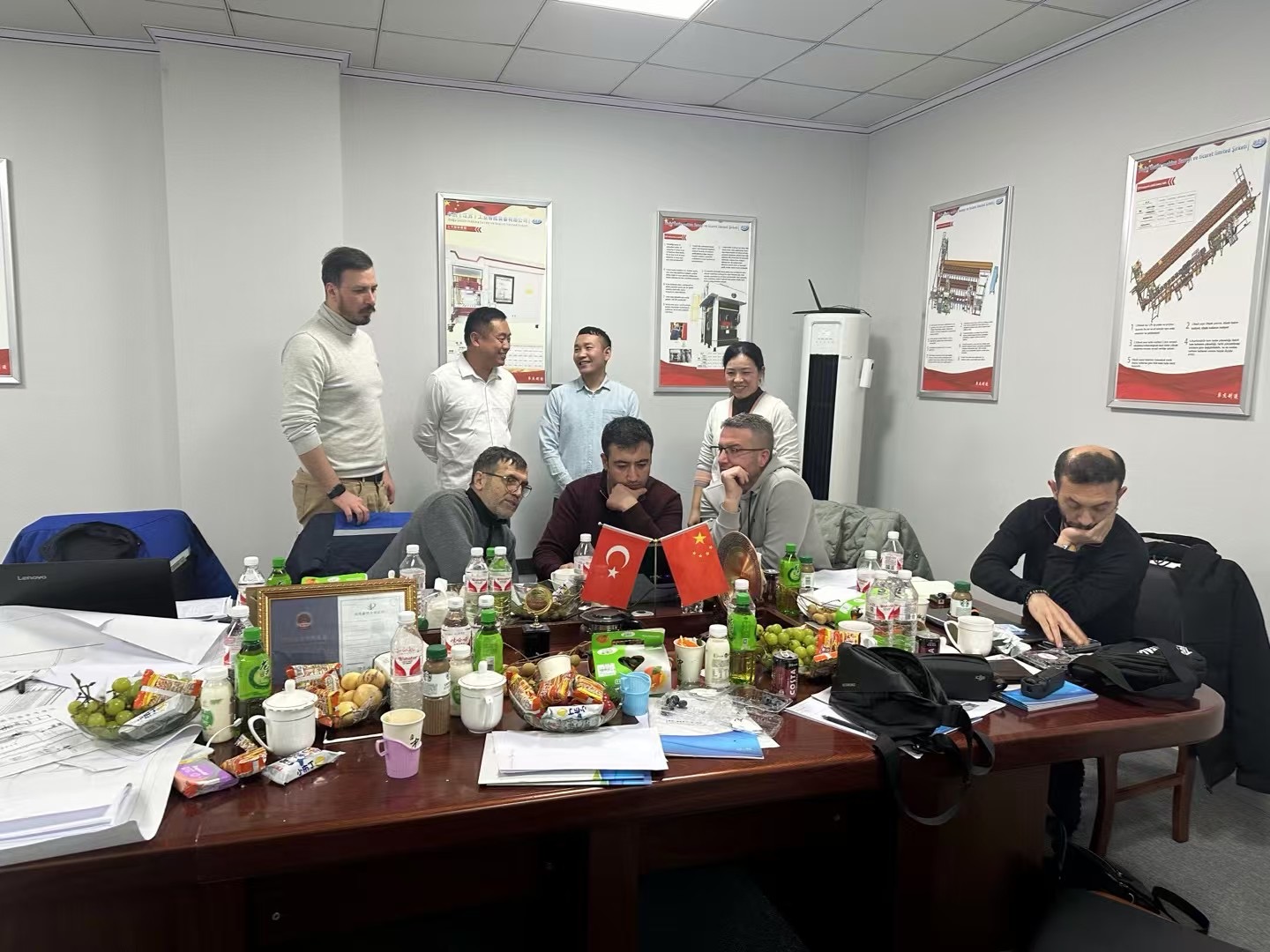
I have lived in China since 2012 and have worked across supplier research, factory visits and sourcing projects involving different product groups. Over the years, I have seen that many problems come from important details not being clarified at the beginning of an order.
Finding a good price matters. But choosing the right manufacturer, documenting the product properly and following production are just as important. A small uncertainty at the beginning can become an expensive problem once production is complete.
1. Choosing a supplier based only on the lowest price
Quotations for the same product can vary significantly. The lowest price may look attractive, but it should not be accepted before understanding why it is lower.
The difference may come from another raw material, thinner material, a missing production step, simpler packaging or a different quality standard. Sometimes suppliers appear to be quoting the same product when they are actually offering different specifications.
Compare quotations against the same technical and commercial conditions. If material, dimensions, weight, packaging, delivery time and quality expectations are unclear, the prices are not truly comparable.
2. Failing to distinguish a manufacturer from a trading company
The company you speak with in China may not be the actual manufacturer. A capable trading company can provide useful service and manage several factories. That is not automatically a problem.
The risk appears when a company presents itself as the manufacturer while production takes place elsewhere. Production capability, quality responsibility and the person responsible for solving problems may then become unclear.
Clarify the company’s role. Does it manufacture in its own facility? Are some parts sourced from other factories? Are the company signing the contract, receiving payment and making the product the same entity?
3. Describing the product without enough detail
Sending a photograph and asking for the same product is rarely enough. A photograph can show appearance, but not the material, tolerances, performance requirements, operating conditions or packaging details.
The supplier fills the missing information according to its own standard, while the buyer assumes the requirement has already been understood. The difference may only become visible after production.
Prepare a clear product requirement covering material, dimensions, colour, performance, target market, certifications, labelling and packaging. Any open points should be identified and closed in writing before production.
4. Not turning the approved sample into a production standard
Approving a good sample is important, but simply liking the physical sample is not enough.
The sample’s material, colour, measurements, components, logo, packaging and performance should be recorded. The approved sample should become part of the written standard used throughout production, and any change should be added to the current specification rather than left inside message threads.
5. Not checking contract and payment details carefully
Before payment, check the company named in the contract, the company issuing the invoice and the owner of the bank account.
Sometimes discussions take place with one company while payment is requested to another. There may be a valid commercial explanation, but funds should not be sent until the relationship between the companies is understood.
Payment terms should also define when production begins, how samples are approved, the delivery schedule, quality controls, packaging conditions and when the balance becomes payable.
6. Leaving production alone after placing the order
Placing the order is not the end of the process. It is the beginning of production.
Material preparation, production timing, approvals, packaging, quantity and shipment readiness should be followed. Checking only after production is complete may be too late to correct certain issues.
The level of follow-up depends on the product, order value and production time. Some projects can be managed through regular photo and video updates. Others require an on-site visit, an in-process check or a pre-shipment inspection. The purpose is not to pressure the supplier. It is to identify open issues early enough to solve them before loading.
Final thought
The greatest sourcing risk is not only choosing the wrong supplier. Problems can also occur with a capable manufacturer when requirements, payment responsibilities, sample standards and inspection stages are not managed clearly.
A sound sourcing process begins with finding the right manufacturer. It is completed through clear specifications, verified company information, regular communication and production follow-up. This is where having someone on the ground in China provides its greatest practical value.
View all China Insights →